Startup & Hiring: July 2026
Updates on global startups and hiring trends relevant for tech job seekers. Funding, hiring plans, and what it means for you.
startup
By Kelvin Desman ·
Affiliate programs are one of the few growth channels a two-person team can run without a BD hire or ad budget — but only if the tracking, commission terms, and fraud checks are set up correctly from day one.

Lokerdollar runs on a paid-employer model: companies pay to reach remote-friendly candidates in Indonesia, and job seekers use the board for free. Like most early-stage products with no outbound sales team, the hardest problem was never building the feature set — it was getting in front of the people who would actually pay for it, without burning cash on ads that convert once and never again.
Affiliate and referral programs solve a narrow but real piece of that problem: they let people who already have an audience of hiring managers, recruiters, or HR leads earn a cut for sending paying customers your way, and you only pay when it actually converts. No retainer, no upfront spend, no headcount. For a bootstrapped team, that's close to the only growth channel with a guaranteed positive ROI on every dollar paid out.
The catch is that "just add a referral link" is not a program. Without proper tracking, commission logic, and fraud controls, an affiliate program either pays out for traffic that was never yours to begin with, or it quietly dies because nobody can tell who gets credit for what.
1. Attribution has to survive more than one click. A hiring manager who clicks an affiliate link today might not sign up for two weeks, after visiting the site three more times from Google. If the tracking cookie or fingerprint doesn't persist across that gap, the affiliate loses credit for a sale they earned — and stops promoting you. This is the single most common reason self-built "just use a UTM parameter" affiliate setups fail.
2. Commission terms need to be decided before the first affiliate signs up, not after. Flat bounty vs. recurring percentage, first-touch vs. last-touch attribution, and the cookie window length all change affiliate behavior. A flat one-time bounty attracts people who want to publish one piece of content and move on. A recurring percentage attracts people who will keep promoting because they're paid monthly for as long as the customer stays. We ended up running both: a flat bounty for one-off content placements, and a recurring share for ongoing referral relationships — because those are genuinely different kinds of partners doing different kinds of work.
3. Fraud checking is not optional at any scale. Self-referrals, cookie-stuffing, and affiliates buying paid ads on your own brand name are the default failure modes once real money is on the table. We've had partner-network payouts flagged for exactly this before switching platforms — it's a known enough pattern that most serious affiliate tools now build fraud detection in, rather than leaving it to the merchant to catch manually after the fact.
Running this by hand in a spreadsheet works for approximately zero affiliates before it breaks. We evaluated a handful of dedicated affiliate/partnership platforms — the space includes options like Rewardful, FirstPromoter, PartnerStack, and Reditus — against three criteria specific to a small team with no dedicated partnerships hire:
None of these platforms are free, and none of them replace having something worth promoting in the first place — a program built on a product nobody wants converts at zero regardless of the tooling. But for the mechanical problem of tracking, paying, and recruiting affiliates without a dedicated hire, this class of tool is the difference between an affiliate program that survives past month one and one that quietly stalls out on unpaid, un-tracked goodwill.
Start with one commission structure, not three. Pick a cookie window long enough for a B2B buying cycle (30 days minimum, not the 7-day default some platforms ship with). Decide upfront how you'll treat an affiliate who is clearly running paid ads on your brand terms — write it into the program terms before your first partner signs up, not after you find the invoice. And don't wait until you have "enough" affiliates to bother with a real tracking tool; the spreadsheet phase is where attribution disputes start, and those are the disputes that make good partners quit.
Updates on global startups and hiring trends relevant for tech job seekers. Funding, hiring plans, and what it means for you.
startup

A practical guide to using AI tools to level up and land remote back end developer jobs paid in USD—no matter where you live.
·panduan
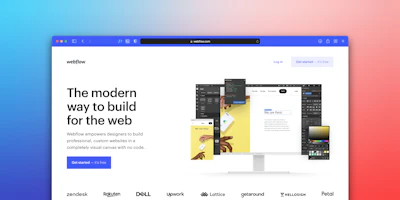
Comparing salaries, tools, and trends for AI Ads Creator vs Webflow Designer remote jobs in 2026. Which one is more promising?
·comparison

Deep dive on the 5 latest freelance gigs, fixed vs monthly retainer models, and whether they beat Jakarta's minimum wage.
·salary